Why More Producers Are Turning to Warm Mix Asphalt
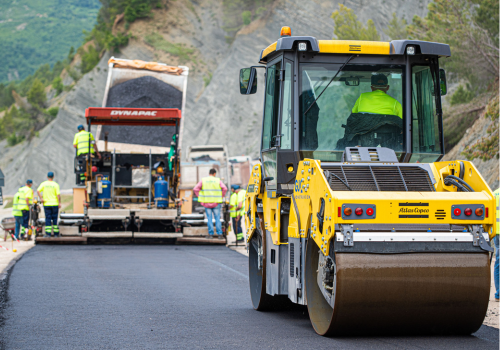
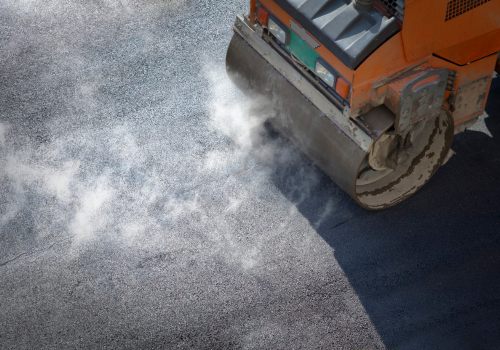
Warm Mix Asphalt (WMA) continues to gain traction because it offers a combination of environmental, operational, and paving benefits. By lowering production temperatures, contractors can reduce fuel consumption, lower certain emissions, improve compaction flexibility, and support long-term pavement performance. In some situations, lower production temperatures may also help reduce visible emissions such as blue smoke.
Establish a Baseline for Improvement
Start by identifying where emissions are released during production and paving. Portable emissions measurement devices can be deployed at critical locations, such as the plant silos, drag slats, and paving equipment. The collected data reveals where interventions will matter most and provides a baseline for tracking improvements.
Implement Technology Driven Temperature Reductions
By incorporating commercially available WMA technologies, producers can lower asphalt production temperatures significantly. While conventional asphalt mix is typically produced at temperatures above 300°F, WMA can frequently be produced below 275°F, depending on the technology, asphalt binder grade, job site conditions, mix design, as well as other factors. Suppliers offer straight forward methods for introducing warm mix technologies into mix production at the plant, making it an approachable option for many operations.
Maintain Workability and Compaction
Lower production temperatures naturally raise questions about compaction. However, many contractors have successfully met compaction requirements while benefiting from improved workability during placement and rolling. The ability to compact effectively at lower temperatures can provide greater flexibility in the field and help crews maintain paving quality under a wider range of operating conditions.
Quantify Fuel and Emission Benefits
Running the plant at reduced burner settings translates into substantial fuel savings, with some plants reporting up to 20% reduction in fuel consumption. That means not just lower operating costs, but also reductions in emissions. The plant’s efficiency improvements at lower production temperatures can be verified with fuel consumption data and emissions measurements at the plant.
Drive Continuous Improvement
Many contractors continue to look for practical ways to reduce their environmental footprint while maintaining productivity and pavement quality. Because WMA lowers production temperatures, it can contribute to reduced fuel consumption and lower emissions while supporting efficient plant operations. These improvements help producers demonstrate environmental stewardship while supporting broader continuous improvement initiatives focused on efficiency, sustainability, and pavement quality.
Deliver Long-Term Pavement Value
Beyond emissions reduction, lower production temperatures have been shown to extend mix life by reducing asphalt binder oxidation during production. Reduced aging of the asphalt binder can contribute to improved cracking resistance and long-term pavement performance, benefits that are often reflected in balanced mix design testing. The result is the possible increase of pavement performance as an additional benefit of reduced production temperatures through the use of warm mix technology.
The industry’s shift toward warm mix asphalt continues to shape the future of sustainable pavement construction.