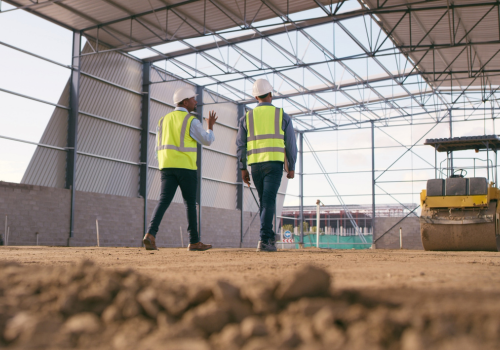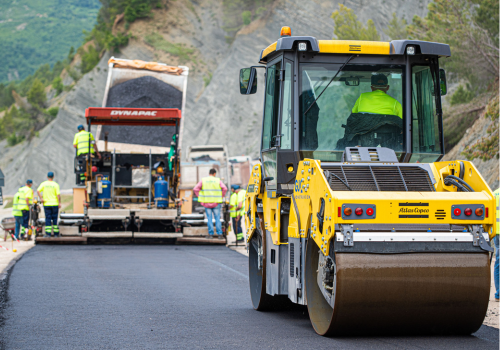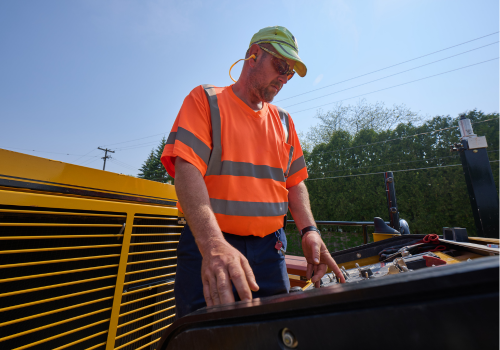

For asphalt contractors, producers and other businesses across the industry, social media can do much more than promote your latest project. It can help build your reputation, attract employees, strengthen community relationships, and showcase the expertise behind the work you do.
Think about everything happening in an asphalt business that others rarely get to see: crews preparing for a paving job, technology improving operations, employees developing their skills or team members volunteering and giving back to their community. Those are stories worth telling.
The key isn't being on every social platform. It's knowing who you want to reach, what you want to accomplish, and consistently giving your audience something useful.
1. Know Who You Want to Reach
Start by identifying your audience and what you want social media to accomplish.
Are you trying to recruit equipment operators and other skilled workers? Build relationships with customers? Help a community understand an upcoming paving project? Establish your company as an industry expert?
Your goals should help determine where you invest your time and what you post. Instead of trying to maintain a presence everywhere, focus on the channels that best connect you with the customers, employees, and communities that matter to your business.
2. Build Trust Before the Paving Starts
Road closures, traffic changes, and construction activities can generate questions from the public. Don't wait for those questions, or complaints, to start communicating.
Use social media to tell people what's happening before work begins. Explain the purpose of a project, share anticipated traffic impacts, and show the steps your team is taking to complete the work safely and efficiently.
Photos and short videos can be especially effective because they allow people to see the work rather than simply read about it.
Being proactive gives your company an opportunity to become a trusted source of information and tell your own story.
3. Show the People and Expertise Behind the Work
Your people can be some of your most compelling content.
Feature employees operating equipment and working together on the jobsite. Celebrate milestones, training accomplishments, and career advancement. And don't forget the stories beyond the jobsite, such as employees volunteering or supporting organizations in their communities.
Social media can also help people better understand the industry. Think about the questions your team regularly hears:
-
What technology is changing the jobsite?
-
What skills are needed for a career in the industry?
Turn those questions into quick videos, photos, short explanations, and employee stories.
You don't need to share everything your company knows. Share enough to be useful and demonstrate the knowledge and experience behind the work.
4. Pay Attention to What Works
You don't have to guess which stories resonate.
Review which posts generate engagement, which videos people watch, and which topics drive visitors to your website or generate inquiries from prospective employees or customers. If equipment videos consistently outperform corporate announcements, that's useful information. If employee stories generate interest, change your strategy.
Experiment, learn, and adjust.
At the same time, don't become so focused on creating the "perfect" post that you stop sharing. A quick video from a paving project can sometimes tell a more compelling story than highly polished marketing content.
Authenticity matters.
Start With Your Next Project
You don't need an elaborate content strategy to get started. On your next paving project, look for five things to share:
-
The project: What are you building or improving, and why does it matter?
-
The people: Who is doing the work?
-
The process: What might someone outside the industry find interesting?
-
The expertise: What can your team teach customers or the community?
-
The result: What changed because of the work?
Every project has a story. Every crew has expertise. And every asphalt business has an opportunity to help customers, prospective employees and communities better understand the people and work behind the roads and infrastructure they rely on.
The goal isn't simply to get more likes. It's to make your business more visible, understandable, and trusted.